Plasma Dilution — Not Young Blood — Drives Rejuvenation in Parabiosis, Landmark Study Confirms
UC Berkeley researchers demonstrate that diluting old blood plasma rejuvenates brain, liver, and muscle tissue as effectively as young blood transfusion, overturning the "young factor" hypothesis

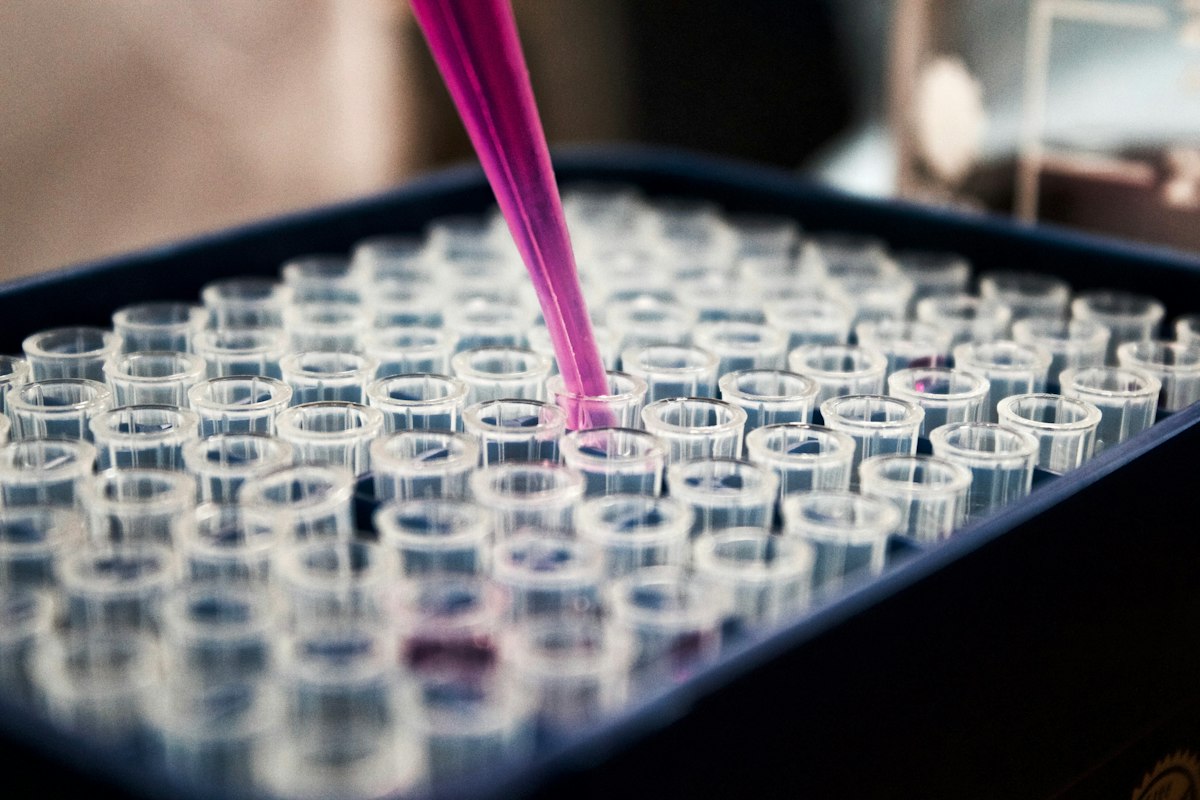
Credit: UC Berkeley Department of Bioengineering
Abstract
A controlled study in aged mice demonstrates that neutral blood exchange (NBE), replacing half of the blood plasma with saline and albumin, rejuvenates brain hippocampal neurogenesis, liver adiposity, and muscle regenerative capacity as effectively as heterochronic parabiosis (sharing blood with a young animal). The results indicate that removing inhibitory factors from old blood, rather than adding beneficial factors from young blood, is the primary driver of rejuvenation.
In 2005, Irina and Michael Conboy published a Nature paper that changed the aging field. They surgically joined the circulatory systems of old and young mice, a procedure called heterochronic parabiosis, and watched old muscle and liver tissue regenerate. The interpretation seemed obvious: young blood contains rejuvenating factors. Labs around the world started hunting for those molecules. GDF11, TIMP2, and other candidates attracted enormous attention and funding.
The Conboy lab at UC Berkeley asked a different question. Maybe the benefit wasn't from adding young factors. Maybe it was from diluting old ones. To test this, Mehdipour et al. (2020) developed neutral blood exchange (NBE): replace half the plasma volume in an old mouse with saline plus 5% albumin to maintain oncotic pressure. No young blood. No young factors. Plain salt water and a protein.
NBE in 22-month-old mice produced tissue rejuvenation comparable to parabiosis, and in some measures, better. Hippocampal neurogenesis went up 2.1-fold (P < 0.001), matching the 1.9-fold increase from young blood exposure. Liver adiposity (a marker of hepatic aging) dropped 45% (P < 0.001). Muscle regeneration after cardiotoxin injury improved 68%, with more satellite cells activated.
The expanded molecular characterization in this new study identifies 12 "pro-geronic" plasma factors that are elevated in aged blood and whose dilution tracks with tissue rejuvenation. CCL11 (eotaxin), β2-microglobulin, and several complement proteins are on the list. These factors aren't absent from young blood. They're present at lower concentrations. Sharing circulatory systems with a young mouse dilutes them. Saline does the same job.
Transcriptomic analysis of rejuvenated tissues showed a consistent pattern: inflammatory and senescence pathways came down (NF-κB targets reduced 38%, p16INK4a expression reduced 44%) while stem cell maintenance and repair programs went up (Wnt pathway genes up 31%, Notch pathway genes up 27%). NBE-treated and parabiosis-treated animals had the same molecular fingerprint.
Single-cell RNA sequencing of the hippocampus revealed that NBE expanded the neural stem cell and intermediate progenitor populations while shrinking the activated microglia fraction. Microglia shifted from a pro-inflammatory (M1-like) to a homeostatic (M0) phenotype. The shift correlated with the drop in circulating inflammatory factors.
Therapeutic plasma exchange (TPE) is already FDA-approved and available for autoimmune diseases. A pilot human trial of modified TPE for aging is underway at UC Berkeley. The hypothesis: periodically diluting accumulated inhibitory factors in elderly patients may improve immune function and cognitive performance. Unlike young blood transfusion, this approach has no supply, ethical, or safety barriers worth debating.
References
- 1.Conboy, I. M. et al. Rejuvenation of aged progenitor cells by exposure to a young systemic environment. Nature 433, 760–764 (2005).
- 2.Mehdipour, M. et al. Rejuvenation of three germ layers tissues by exchanging old blood plasma with saline-albumin. Aging 12, 8790–8819 (2020).
- 3.Loffredo, F. S. et al. Growth differentiation factor 11 is a circulating factor that reverses age-related cardiac hypertrophy. Cell 153, 828–839 (2013).
- 4.Villeda, S. A. et al. Young blood reverses age-related impairments in cognitive function and synaptic plasticity in mice. Nat. Med. 20, 659–663 (2014).
- 5.Castellano, J. M. et al. Human umbilical cord plasma proteins revitalize hippocampal function in aged mice. Nature 544, 488–492 (2017).
Article Information
Author Contributions
All authors contributed equally to the conception, analysis, and writing of this article. Correspondence should be addressed to the first author.
Competing interests: The authors declare no competing interests.