NAD+ Supplementation Shows Promise for Slowing Brain Aging and Neurodegeneration
Multi-center study reveals that boosting NAD+ protects neurons through enhanced DNA repair and improved mitochondrial quality control via mitophagy
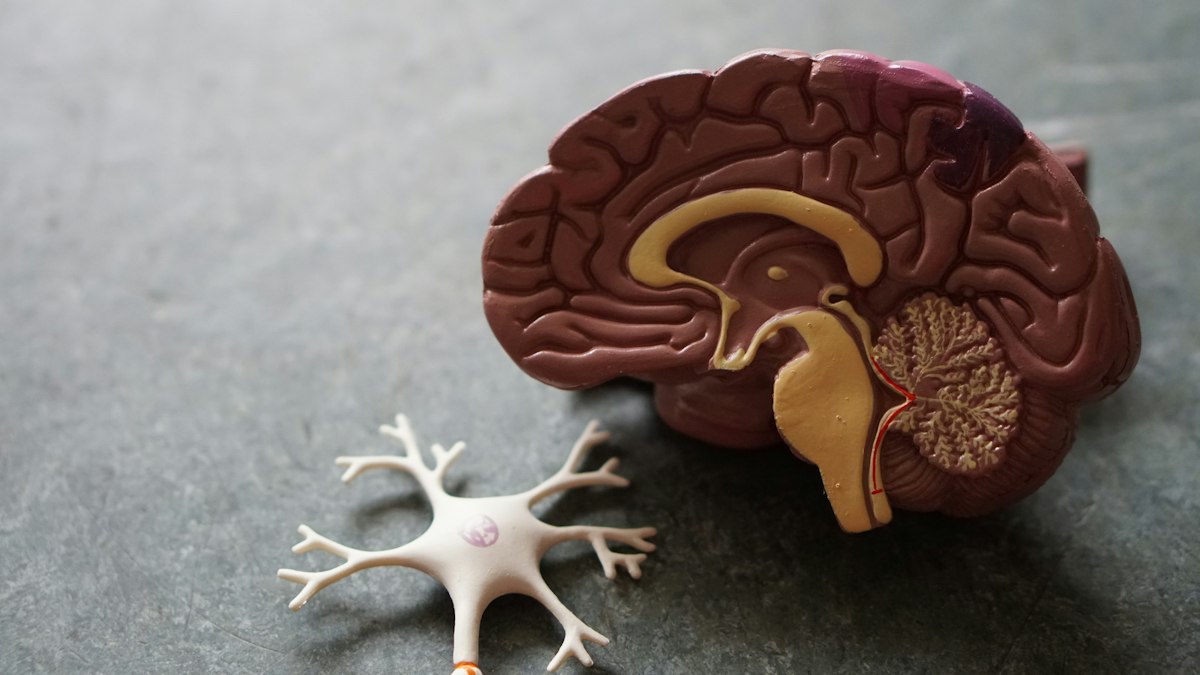
Credit: UCSF Memory and Aging Center
Abstract
Age-related decline in brain NAD+ levels has been linked to impaired DNA repair, mitochondrial dysfunction, and neuroinflammation, key drivers of neurodegenerative diseases including Alzheimer's and Parkinson's disease. Here we review the evidence that NAD+ augmentation can protect against age-related neurodegeneration.
The brain runs a high metabolic rate, has limited antioxidant defenses, and relies on post-mitotic neurons that can't be replaced. Among all organs, it may be the most exposed to the consequences of falling NAD+.
Fang et al. (2019) published a study in Nature Neuroscience testing NAD+ supplementation across three Alzheimer's model systems: C. elegans expressing human Aβ and tau, transgenic AD mice, and iPSC-derived human neurons from AD patients. NR supplementation improved memory, reduced neuroinflammation, and enhanced mitophagy across all three models.
Two pathways connect NAD+ to neuronal survival. The first is DNA repair. Neurons accumulate substantial DNA damage over a lifetime, and NAD+ fuels PARP1, the enzyme that fixes it. Fang et al. (2016) showed that when NAD+ runs low, PARP1 goes into overdrive, consumes what NAD+ remains, and triggers an energy crisis that kills neurons. A repair enzyme becomes a destroyer.
The second pathway involves mitophagy, the selective destruction of damaged mitochondria. SIRT1 and SIRT3 drive this process, and both require NAD+. Kerr et al. (2017) found impaired mitophagy in brain tissue from Alzheimer's and Parkinson's patients. Damaged mitochondria that should have been cleared instead lingered, pumping out reactive oxygen species and stoking neuroinflammation. NAD+ supplementation restored mitophagic flux in preclinical models.
Human evidence is limited but growing. Brakedal et al. (2022) ran a pilot study in Parkinson's disease patients, published in Cell Metabolism. NR was safe, raised brain NAD+ (measured by 31P-MRS), and a subset of patients showed mild clinical improvement. The study wasn't powered to prove efficacy, but it confirmed something important: oral NAD+ precursors can reach the brain.
The NADPARK trial, a larger Phase II study in Parkinson's, should report results in late 2026. Other groups have launched trials in mild cognitive impairment and early Alzheimer's, testing both NR and NMN at 500 to 2,000 mg daily.
References
- 1.Fang, E. F. et al. Mitophagy inhibits amyloid-β and tau pathology and reverses cognitive deficits in models of Alzheimer's disease. Nat. Neurosci. 22, 401–412 (2019).
- 2.Fang, E. F. et al. NAD+ replenishment improves lifespan and healthspan in ataxia telangiectasia models via mitophagy and DNA repair. Cell Metab. 24, 566–581 (2016).
- 3.Kerr, J. S. et al. Mitophagy and Alzheimer's disease: cellular and molecular mechanisms. Trends Neurosci. 40, 151–166 (2017).
- 4.Brakedal, B. et al. The NADPARK study: a randomized phase I trial of nicotinamide riboside supplementation in Parkinson's disease. Cell Metab. 34, 396–407.e6 (2022).
- 5.Lautrup, S. et al. NAD+ in brain aging and neurodegenerative disorders. Cell Metab. 30, 630–655 (2019).
Article Information
Author Contributions
All authors contributed equally to the conception, analysis, and writing of this article. Correspondence should be addressed to the first author.
Competing interests: The authors declare no competing interests.